
There is a special time of year when winter is already losing its grip, but not yet ready to give way completely to spring. The snow darkens in the sun's rays, the air becomes milder, and a sense of change fills people's hearts. It is at this juncture that various Slavic peoples celebrate holidays that combine the ancient memory of the land with the Christian tradition of repentance—Maslenitsa among the Eastern Slavs and Sirni Zagovezni among the Bulgarians.
Maslenitsa arrives in a wide week, like a bright ribbon unfurled across the winter expanses. At its core is the ancient veneration of the sun, the hope for the return of warmth and fertility. The main symbol of the holiday is the pancake, round and rosy, like the sun itself. It is baked generously and shared with family and guests, and this simple treat conceals an ancient image: the more warmth and joy people share, the sooner the cold will retreat. Maslenitsa week is filled with movement and the sound of bells: sleigh rides, songs, fairs, games, and boisterous gatherings. Each day has its own significance, gradually intensifying the festive mood. The culmination is the burning of a straw effigy—an image of winter. Everything old and heavy vanishes in the flames, and with the smoke, prayers for a new harvest and clear days seem to rise to the sky. Yet, behind the outward gaiety, a serious meaning lurks: on Forgiveness Sunday, people bow their heads to one another and ask for forgiveness. The noise subsides, and the celebration takes on a quiet depth—the journey of Lent begins.

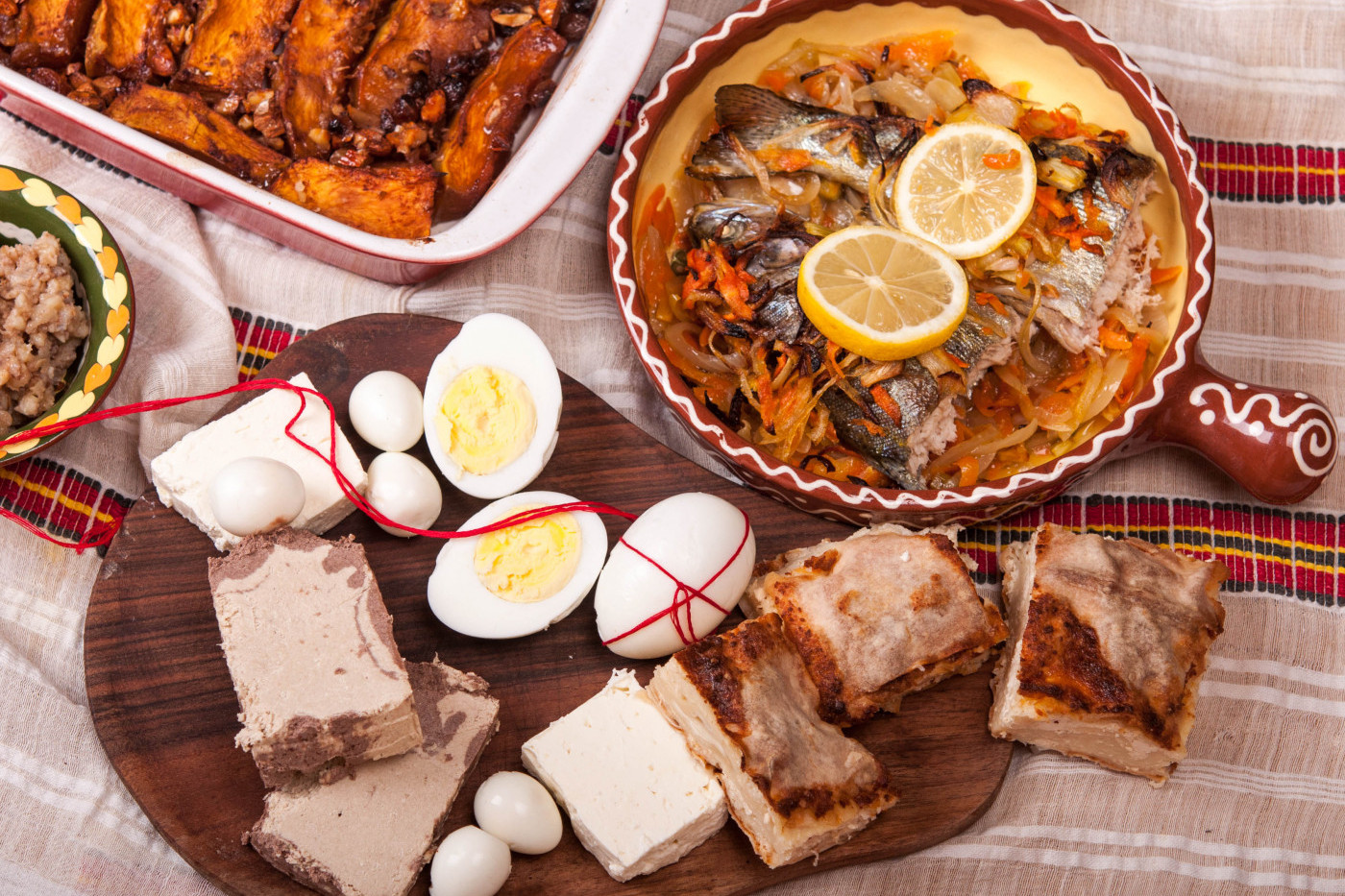
In Bulgaria, this same transition is marked by a different mood. Sirni Zagovezni does not stretch out over a week, but rather condenses into one Sunday evening before the beginning of Lent. This is the last day when dairy products and eggs are permitted, and so banitsa with cheese, boiled eggs, halva, and kiselo mlyako appear on the table. But more important than the meal itself is the family reunion. Relatives gather in the home of elders; younger ones kiss their hands and ask for forgiveness, receiving a blessing. These words of reconciliation express respect for the family and the desire to enter Lent with a pure soul. The house fills with laughter during the "hamkane" ritual, when an egg or a piece of halva is dangled on a string, and children try to catch it with their lips. The string is then burned, observing the flames as a sign of the coming year. In some places, bonfires are lit and people jump over the flames, leaving illnesses and misfortunes in them.

The kukeri, participants in rituals associated with the exorcism of evil spirits and the invocation of fertility, imbue the Bulgarian spring cycle with a special ancient power. They appear in the winter-spring period, often on the days surrounding Sirni Zagovezni. The men wear fantastical masks with horns, large eyes, and bizarre features, dress in brightly colored costumes, and tie heavy bells to their belts. As they walk through the village, the earth resounds with the ringing. This roar, according to folk belief, purifies the space, dispels darkness, and awakens the earth to new life. Their movements—leaps, sharp turns, ritual scenes—embody the ancient belief that humans can help nature regenerate.

Maslenitsa and Sirni Zagovezni, despite their differences in scope and mood, are born from the same desire: to welcome spring purified and reconciled. The former sounds like a broad folk choir, filled with sun and fire, while the latter resembles a warm family evening by the hearth, illuminated by the soft flame of a candle or campfire. But in both traditions, fire burns away the old, words of forgiveness restore peace, and the anticipation of spring becomes the hope for a renewal of life.
I want to know more about current real estate offers